Showing posts with label Legumes. Show all posts

Collard Greens Soup (Karalahana Çorbası)


The apartment that I lived in Ankara was on the first floor of one of those old 4 story buildings with just two apartments on each floor and a back yard that the residents didn't care about. A month after the move I remembered there was a back yard and looked over to check it out. Among the things that you can find in the back yards of apartment buildings in Turkey are gazebos, junk, flower beds, people playing "okey," a tile-based game similar to Rumikub, or people drinking tea and eating sunflower seeds. Therefore, I was quite surprised when I saw collard greens in my building's back yard. And I am not talking about two or three plants here; I am talking about endless rows and rows of collard greens. Collard greens is an indispensable component of the Black Sea cuisine in Turkey, and it is difficult to find them outside that province. So I immediately knew there was a homesick Karadenizli (a person from Black Sea) in the building who apparently had a big craving for collard greens. I was right; our concierge Pakize was from Trabzon and capable of consuming a back yard worth of collard greens with her husband in 2-3 months.

The discovery of garden of collard greens intrigued me to cook with them. The next winter I borrowed a bunch of collard greens time to time from Pakize and made collard greens soup based on her instructions. Later, I had this soup a couple of times at different seafood restaurants, but they were not even close to Pakize's recipe. This soup, a specialty of Black Sea, is just perfect for cold winter nights. It has greens, beans, and corn in it; what else can you ask for?        


1 large bunch collard greens
1/2 cup dry white beans (cannellini or northern beans)
1/2 cup cracked corn (you can find cracked corn at Middle Eastern or organic food stores or feeder stores) OR 1/2 cup coarse grits if you cannot find cracked corn
1/4 cup corn flour
7-9 cups of water
3-4 tbsp butter
1 tsp paprika
1 tsp red hot pepper flakes (in traditional recipes you cannot find spice for this soup, but I think hot peppers, hot pepper flakes, or sauces makes this soup even better)

-A night before, put beans in a pot with 3 cups of water. First bring to a boil, then turn it off. Cover and soak overnight.
-The next day cook the beans until soft. (Or use 1 can of beans)
-Wash collard greens well, discard bad leaves and leaf tops. Chop the stems finely. Cut the leaves first into stripes, then into edible-size squarish pieces.
-Boil 7-8 cups of water in a big pot.
-Add collard greens and cracked corn into the boiling water. Cook until soft: ~20-25 minutes.
-Add beans.
-Add corn flour and keep stirring constantly while adding it to prevent lumping.
-Turn the heat to low-medium and cook for almost half an hour to let the soup thicken stirring every 3-45 minutes.
-Heat butter in a small pan. When it's hot but nit burning, add paprika. Let sizzle for a couple of seconds.
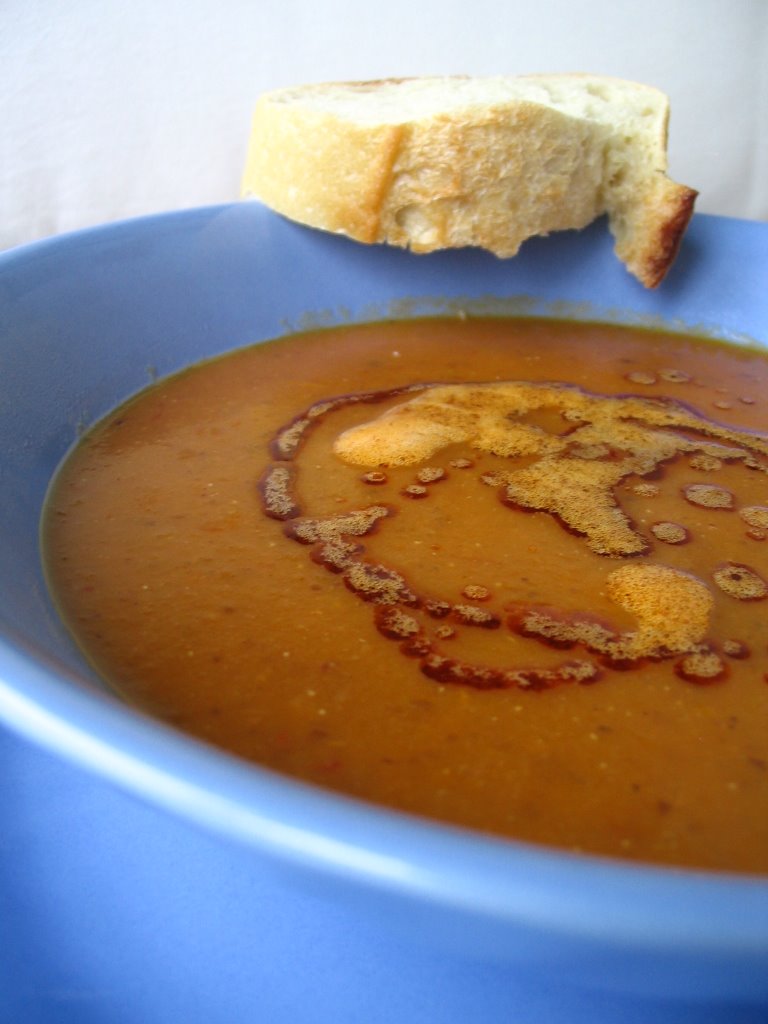
-Serve the soup with a spoon or two of butter and paprika on top.

Cannellini Beans with Eggplant (Patlıcanlı Kuru Fasulye)


A great twist to a very traditional recipe: white beans, which are generally referred to as the national dish of Turkey.


1 medium size eggplant, diced
1 cup of dry cannellini beans, soaked over night or 1 can of cannellini beans
1/4 lb stew beef [for a meatier stew you can use more stew beef and for a vegetarian version skip it completely]
1 big onion, diced
3 cloves of garlic, minced
3 tomatoes, diced or 1 can of diced tomatoes
1 red bell pepper, finely chopped
2 green chilies (slightly spicy anaheims?), finely chopped
3 tbsp butter
frying oil, ~1/2 cup
salt
red pepper flakes

-Heat frying oil in a pan and fry eggplant until golden brown. Let fried eggplant cubes soak on a paper towel. If you want to keep the oil level low, you can bake the eggplant in stead of frying. Brush an oven tray with oil and place eggplant cubes. Bake ~20-25 minutes at 390F.
-Heat butter in a pot. Add onion and garlic. Stir until soft.
-Add pepper and stew beef. Cook until beef releases and then soaks its juice.
-Add diced tomatoes, 1 cup of hot water, salt, and red pepper flakes--optional, [and if you are using dry beans, add them now, too.] Cook for 30 minutes.
-Add fried eggplant cubes and beans [if you are using canned beans] and cook for another 15-20 minutes on low-medium.
-Serve hot with crusty bread and rice.

Corn and Bean Soup (Pakla Çorbası)


This Black Sea Region recipe is a recipe from my dad's side of the family. My aunt invites the rest of the family over dinner (in addition to all the special occasions) when she cooks three special dishes. Number one is mantı, number two is dolma, and number three is pakla soup, which by the way draws more attendees than dolmas. This simple soup is so popular among the family members that there had been times when we fought over the second serving. The popularity derives from the limited number of times we get to have this soup in a year, and this scarcity is a direct result of a-hard-to-find ingredient: corn bulgur.


Corn bulgur although widely used especially in the Black Sea Region is rarely found elsewhere in Turkey or here in the States. Corn bulgur is parboiled crushed kernel corn made by a similar process that is used for common wheat bulgur.

When I got the recipe from my aunt years ago I asked her what to do if I cannot find corn bulgur here in the States, she suggested fresh corn kernels--it turned out fıne, but wasn't the same soup. However, back then I didn't know about grits. After moving to South, I was introduced to grits, cheesy grits in particular--I absolutely love it. Through explorations I came across coarse grits, which creates a very similar taste to that of corn bulgur in pakla soup, which literally means bean soup.


1 cup uncooked coarse grits (1/3 or 1/4 of a kernel coarse)
~ 1 cup dry cannellini beans or ~2 cups cooked cannellini beans or 1 can of cannellini beans
1 small onion, grated
2 tbsp tomato paste
3-4 tbsp butter
salt
1 small piece of bone-in lamb shoulder*

-Put  grits and beans if you're not using can beans in a pot filled with water. Bring to a boil, turn it off, cover and soak overnight.
-Next day put grits and beans in a pot with lots of water (~10-12 cups) with bone-in lamb shoulder and salt. Cook on medium for an hour or until both beans and grits are soft.
-In a frying pan, heat butter and saute grated onion until soft.
-Add tomato paste cook for another minute or two.
-Add onions to the soup and cook for another 5 minutes.

*You can skip the bone-in lamb or beef; this soup is also very good without addition of meat.

Bulgur with Green Lentils and Walnuts (Cevizli Bat)


Bulgur with Green Lentils and Walnuts is a traditional recipe from a Central Anatolian city, Tokat. In Tokat's local cusine dishes with grape leaves have an important role, and this recipe is a good example. Bulgur with Green Lentils and Walnuts is a bit like kisir, but has a nuttier taste with walnuts and lentils.


1 cup fine bulgur
1 cup hot water
1 cup cooked green lentils (~1/2 cup dry green lentils would make 1 cup cooked lentils)
1/2 cup chopped walnuts
2-3 green onions, finely chopped
1/3 cup chopped parsley
1/4 cup chopped fresh dill
1 green pepper or 1/2 green bell pepper, finely chopped
2 tbsp tomato paste
1 tsp or less red pepper flakes
1 tbsp finely chopped fresh basil or 1 tsp dried basil flakes
1 tsp dry mint flakes
1 tsp or less black pepper
salt
optional a couple of cherry tomatoes

grape leaves (if unavailable, lettuce would do)

-Put bulgur in a bowl and add hot water. Stir once, cover with a thick towel and wait until bulgur soaks all the water.
-If you have fresh grape leaves, boil some water and cook grape leaves for 2-3 minutes. Set aside and let cool.
-Add tomato paste to bulgur and mix it well with the back of a spoon or your hands until paste is homogeneously distributed.
-Add lentils.
-Add green onion, parsley, dill, tomatoes, green pepper, basil, mint, red pepper flakes, black pepper, walnut, and salt.
-Serve bulgur with lentils with grape leaves or lettuce. Put some in the middle of a leave, make a roll or a bundle and enjoy.

note: Although the traditional recipe doesn't ask for it, I love adding lemon to bulgur and lentils.

Black-Eyed Pea Pilaki (Börülce Pilaki)


Pilaki is a general name for a group of dishes that are cooked in tomato sauce with onion, garlic, carrot, potato, parsley, lemon juice, and most importantly olive oil. Among favorite pilaki dishes are barbunya pilaki and fish pilaki.


serves 6 people
1 lb frozen black-eyed peas (once you soak them you can also start with dried ones)
1 big onion, diced
2 cloves of garlic, thinly sliced
2 green chillies, finely chopped or 1 green bell pepper, chopped
1 carrot, thinly sliced
2 medium potatoes, peeled and diced
3-4 tomatoes, diced
3-4 tbsp olive oil
juice of 1/2 lemon
2 bay leaves
1/2 cup chopped dill or parsley
1 tsp salt
1/2 tsp sugar
ground pepper
crushed red pepper flakes (optional)


-Heat oil and add onion and garlic. Cook for 2-3 minutes.
-Add green chillies, potatoes, and carrot. Cook until soft.
-Stir in black-eyed peas and diced tomato. Let boil.
-Once it boils, stir in sugar, salt, pepper, bay leaves, pepper flakes, juice of half lemon, and 1 cup of water.
-Cook on medium heat for 30-35 minutes until peas are soft.
-Once it's cooked, take out bay leaves and add dill or parsley.
-Let it cool down a bit. Serve warm or cold.

Green Bean Stew with Meat (Etli Taze Fasülye)


Although not quite favorable as its vegetarian version simmered in olive oil, green bean stew with meat provides a warm getaway from cold olive oil summer dishes of Turkish cuisine. Fresh green beans and ripe tomatoes picked from the farmer's market, cooked with lamb or beef, and served with white buttery rice and cacık makes a strong case against any style of bean dish.

1 lb green beans, ends snapped and cut into 1 inch pieces (or 1 lb frozen beans)
1/2 pound stew lamb or beef
1 big onion or 2 medium ones, chopped finely
2-3 tomatoes, diced or 1 can of diced tomato
2 tbsp tomato paste
2 tbsp butter
salt and pepper


-Put butter and meat in a pot and cook to draw out its own juices. Wait until its juices cook down to a rich brown.
-Add onion and stir for 2-3 minutes.
-Add tomato paste and cook for 1 minute.
-Add diced tomato and 2 cups of water.
-Cover and simmer on low-medium heat for 30-40 minutes.
-Add green beans, salt and pepper. Add hot water if it cooked down to barely cover the beans.
-Cover and simmer for another half an hour until beans are cooked.
-Serve definitely with white rice and crusty bread to soak its delicious juice.


Kidney Beans with Beef Franks (Sosisli Kırmızı Fasülye)


This is a delicious fall stew with kidney beans.

1 1/2 cups dry red kidney beans
3 tbsp butter or olive oil
1 big onion, chopped
2 cloves of garlic, finely chopped
2 red peppers or 1 red bell pepper, chopped
4-5 beef franks, cut in 1/2 inch rounds
1 potato, cubed
2 tbsp tomato paste (+ 1 tbsp pepper paste, optional)
4 bay leaves
2 tsp cumin
2 tsp oregano leaves
2 tsp black pepper
salt
water


-Soak kidney beans in water overnight. The next day, boil them lots of water and two bay leaves until soft. Discard bay leaves and rinse beans well.
-Heat butter in big pot. Add onions and garlic. Stir for 4-5 minutes.
-Add peppers. Stir for 3 minutes.
-Add beef franks, cumin, oregano, and black pepper. Stir on medium heat until they're cooked on both sides, approximately 7 minutes.
-Add paste and cook for another 2 minutes.
-Add kidney beans and two (new) bay leaves. Cover beans with water. Add salt. You don't want to break the beans, so mix them once and cover. Cook on low for 30-40 minutes.
-Serve with rice or bulgur pilaf, or with bread.

With bay leaves this recipe is for WHB which was founded by Kalyn and is hosted by Susan this week.

Green Lentils (Yeşil Mercimek)


The eastern Thrace is the north western or the European part of Turkey. The region (except for Istanbul) is mostly occupied by people who migrated from the western Thrace (Greece and Bulgaria). Most of those people, like my grandparents, settled down in the region after the 1924 population exchange. This green lentil dish is cooked widely in eastern Thrace and known to be a western Thracian recipe.

1 cup dry green lentils
3 tbsp olive oil or butter
1 big onion, chopped
1 tbsp flour
2 tbsp tomato paste
salt
pepper
2 tbsp fresh dill, chopped

sauce
1/4 cup vinegar
2 cloves of garlic, minced
1 tsp rd pepper flakes


-Cook 1 cup green lentils with 3 cups of water on medium until water is completely soaked.
-In a different pot heat the oil and stir in onions. Cook until soft.
-Add flour and stir for a couple of minutes.
-Add tomato paste and stir for another couple of minutes.
-Add lentils with 2 1/2 cups of water. Salt to your taste. Cook on medium low for 30 minutes. -Add dill after you turn it off.
-For the sauce, in a little bowl mix 1/4 cup vinegar, 2 cloves of minced garlic, and crushed pepper.
-When you serve the lentils, put a couple of spoons of the sauce on lentils.
-Serve with bread or rice.


This recipe with the perfect touch of garlic is for Kalyn's WHB. WHB is hosted by Haalo of Cook (Almost) Anything at Least Once.

Pinto Beans (Pinto Fasulyesi)


I spent my first year in the States trying to find Barbunya beans. Until I figured out that barbunyas are roman or borlotti beans, I experimented with almost all kinds of beans. The tastiest beans I decided were pintos. I cook pinto beans Turkish style with onions, garlic, and paste. You can eat them either warm or cold, but definitely try them with rice.

24 oz can organic pinto beans
2 tbsp olive oil
1 onion, diced
3 cloves of garlic, sliced
2 banana peppers, sliced
1 carrot, diced
2 tbsp pepper or tomato paste
2 tomatoes, petite diced or grated
1 cup water
salt
1 tsp black pepper
1 tsp crushed pepper
1/3 cup or more finely chopped flat leaf parsley


-Heat oil in a broad pot. Saute onion, garlic, banana pepper, and carrots for 5-10 minutes.
-Add the paste and stir for 1-2 minutes.
-Add tomatoes and simmer for 5 minutes.
-Add pintos, spices, and water. Simmer on medium for 20-25 minutes.
-Stir in parsley after you turn int off.
-Serve with fresh bread or any kind of rice.

Antalya Bean Salad (Antalya Usulü Piyaz)


Piyaz
is what we call bean salads in Turkey, but the term is actually Persian and means "onion." Piyaz is usually prepared with northern beans and kneaded onion; dressed with olive oil and vinegar; spiced up with pepper flakes; and decorated with tomatoes, parsley, and hard-boiled eggs. Depending on the region, piyaz might have green onions or sumac. However, in Antalya, a beautiful city with magnificent beaches and historical places on the Mediterranean coast, piyaz is made differently than the rest of Turkey. The difference is tahini and garlic, which, to my surprise since I'm not a great tahini fan, enriches the taste incredibly. In Tekirdag, my hometown, piyaz is served always with Tekirdag Meatballs. However, with tahini it can be a main dish as well.
2 cups of cooked northern beans
1 onion, cut finely in half-moons
1/2 cup parsley, finely chopped
1 tsp crushed pepper
1 or two hard boiled eggs, sliced
1 tomato, diced

1/4 cup tahini
1/4 cup vinegar
1/4 cup lemon juice
2 cloves of garlic, minced


-Soak the beans over night. Bring them to a boil and then on medium heat cook them until soft. Or use canned beans.
-In a bowl mix tahini, vinegar, lemon juice, and garlic for the sauce/dressing. It shouldn't be too runny or thick. Since different tahini brands have different density, it's hard to find the perfect mixture. If the dressing you make with the measures above is thick, add some of the water that you used to cook the beans or use the juice in the can. If it's runny than you can thicken it with more tahini.
-Pour the tahini dressing over the beans and mix them well.
-Slice the onion thinly julienne style in half moon shape. In a bowl knead it with 1 tsp salt. Rinse.
-Mix the beans with onion and parsley.
-Decorate the bean salad with tomatoes and slices of hard-boiled eggs.

Herby Black-eyed Pea (Zeytinyağlı Börülce)


I've been looking for pomegranate molasses/syrup for a long time to make tabbouleh (kısır). Finally I found a Lebanese one in an international market. Pomegranate syrup is an essential ingredient in Mediterranean and Middle Eastern cooking. It's delicious as a salad dressing ingredient as well as a base for marinade. Now that I found it I'll use it more, but first I used it on black-eyed pea which both as a dish and as a salad is very common in the Aegean coast of Turkey.

2 cups fresh black-eyed peas
1 big onion, finely chopped
2 cloves of garlic, minced
1 red pepper, chopped
1/4 cup olive oil
1/2 bunch parsley, chopped
1 bunch dill, chopped
1 tbsp sumac
1 tbsp dried mint flakes
1 tsp sugar
1 cup water

1 tsp pomegranate molasses/syrup or lemon juice

-Wash fresh black-eyed peas and boil them in 4-5 cups of water for 5 minutes. Drain and wash well.
-Mix all the ingredients except for pomegranate molasses in a broad pot. Bring to a boil and then on low cover and cook until peas soak water (approximately 30 minutes)
-Dress to your taste with pomegranate syrup before serving. It will give it a really nice sweet and sour flavor. If you cannot find pomegranate syrup, you use lemon juice.

If you want to have your black-eyed peas as a salad, all you need to do is to cook the peas until soft and wash them well. Skip sugar and onion from ingredients, instead add 1 bunch chopped green onions. Mix everything well in a bowl and dress with either pomegranate syrup or lemon juice.

This recipe with parsley and dill (my favorites) is perfect for Weekend Herb Blogging which was founded by Kalyn and is hosted by Scott of Real Epicurean this weekend.

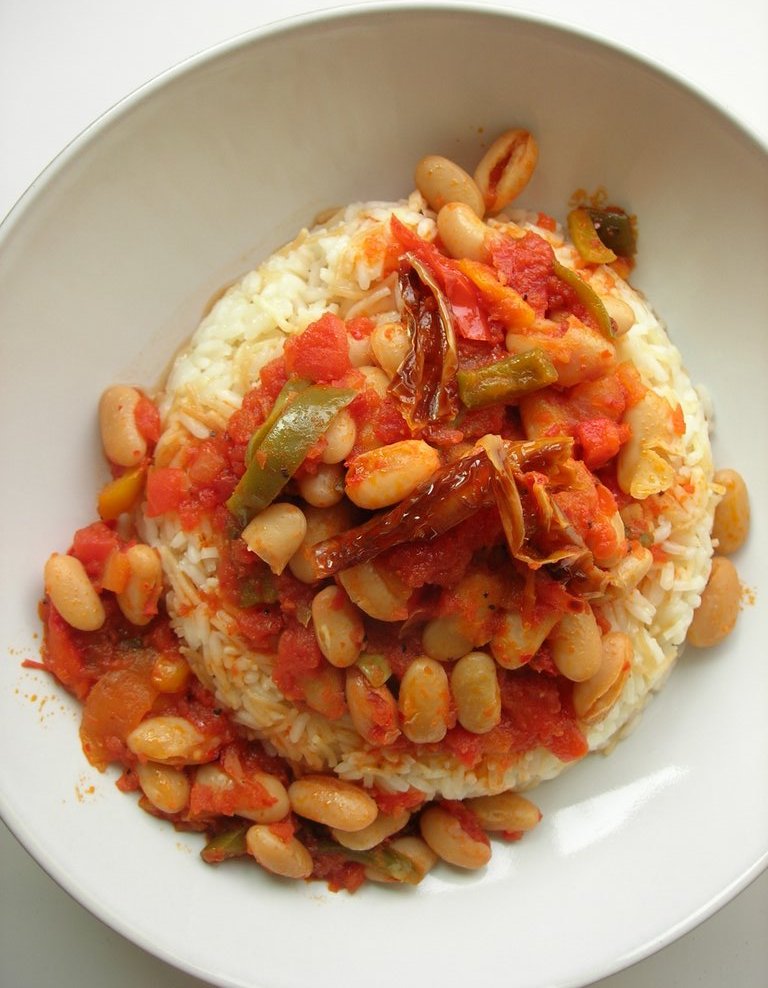
White Beans (Kuru Fasulye)


White beans with rice is the traditional Turkish dish. It is to us what pasta is to Italians. If you have pickled vegetables, especially cabbage, with it, you cannot expect more. There are variations of this recipe based on what kind of meat you want to use, or you may completely skip the meat part as I do. You can cook white beans with stew beef or lamb, with ground meat, pastrami (pastirma), and/or soujuk (sucuk, Turkish sausage). My favorite kuru fasülye is with pastrami.

Very traditioanl version of Turkish white beans would definitely have stew meat, beef or lamb, and would probably not have green pepper. Since I wanted to make a vegeterian dish, I replaced meat with peppers.

2 cups of cooked cannellini: white kidney: fazolia
beans
or
even better dermason/whit beans(it's always tastier to use dried beans, but if you'll use canned beans do not forget to rinse them well) or 2 cans of those beans
3 tbsp olive oil or butter
1 tbsp tomato paste
2 onions, chopped
2 banana or red peppers, chopped
2 tomatoes, diced (If you want to use canned tomato, prefer petite diced one)
1-2 cup of water
1 tsp pepper flakes
1 tsp ground black pepper
2 tsp salt
dried chili peppers (only if you like spicy food)


-Soak beans in water over night and then the next day, boil them until soft OR pressure cook dried beans for 35-40 minutes OR use canned beans.
-Heat oil in a pot and sauté onion and pepper until soft: 7-8 minutes. Add tomato paste and stir for another 2 minutes.
-Pour in first beans, then tomatoes, and then water until the water level is 1/2 inch above the beans. Add salt, black pepper, and pepper flakes. Stir once or twice very gently (do not forget the beans are tender now and we don't want to smash them). If you will use dried chili peppers, place them on top. Cover and simmer on low for 25-30 minutes.
-Serve with rice, especially on top of rice. Turkish style white beans are awesome with pickled vegetables like white cabbage, cornichons, carrots, etc.

Ezo the Bride Soup (Ezo Gelin Çorbası)


Ezo was a real person who lived in the south eastern part of Turkey, close to Syrian border, in early 20th century. She had two miserable marriages, and died in Syria, homesick. There are films based on her hard, unfortunate life. But I have no idea why this soup is named after her.

The most important trivia about Ezo Gelin soup is that you cannot find a single Kebapçı (Kebab Restaurant) in Turkey that doesn't serve this soup. It's the best starter before kebap-you have to have the soup, and whatever you do at home, Ezo Gelin soup is always better at a Kebapçı, even at a sloppy one. Also, it's famous for being a perfect hangover cure, after Tripe Soup (İşkembe Çorbası).

traditional ingredients:
1 cup red lentils
1/3 cup rice or bulgur
1 tbsp pepper paste
1 tbsp tomato paste
1 onion
2 cloves of garlic
1/2 tbsp dry mint leaves
1/4 tsp black pepper
pepper flakes, as much as you want
1 tbsp olive oil
salt
60 oz water

optional ones:
I usually add 1 small potato and 1 carrot

-If you have a pressure cooker and a hand blender, put everything in pressure cooker (chop onion, potato, and carrot in reasonable pieces) and cook for 25 minutes on medium heat. Then, use the blender to smoothen the soup.

-If you don't have a pressure cooker, you can still boil everything together until lentils and rice are soft.

-If you have neither a pressure cooker, nor a blender then you need to finely chop the onion; make sure it's really finely chopped. You can also finely chop the potato and carrot, but I prefer grating them. Garlic should be minced. After all the chopping and grating, recipe is the same: put everything in a pot and cook until lentils and rice are soft. Stir every 5 minutes.

For the sauce:
-Heat olive oil or butter (1 tbsp for 2-3 servings) in a skillet
-When oil starts sizzling (if you're using butter, try not to burn it) add 1/2 tsp paprika and after approximately 30 seconds remove from the heat. Pour over the soup.

-Squeeze lemon on the soup before you eat

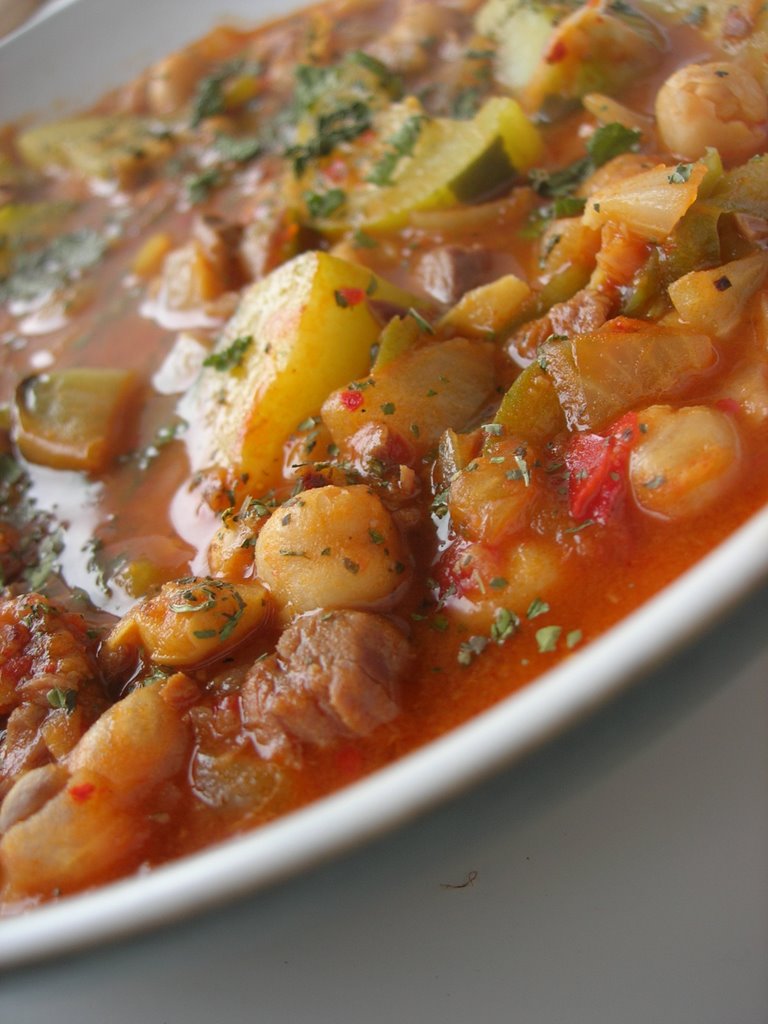
Zucchini with Beef and Garbanzo Beans (Kabak Bastırması)


I saw this recipe in a Turkish food blog, chez Ayşenur, and immediately decided to make it. Garbanzo beans and zucchini: how could it be bad? It certainly is delicious. Ayşenur says that this is a local recipe from Kilis, a city in Turkey near the Turkish-Syrian border.

2/3 cups of garbanzo beans
1/2 pound stew beef (I preferred beef but y0u can also use lamb)
2 zucchinis, medium size cut in half-rounds
2 tbsp olive oil
1 onion, chopped
2 banana peppers or 1 bell pepper, chopped
1 tbsp tomato paste
1 tbsp spicy pepper paste
3 cloves of garlic, minced
juice of one lemon
1 tbsp dried mint flakes

-Soak garbanzo beans overnight. The next day cook garbanzo beans and stew beef in a pressure cooker with 5-6 cups of water for 45 minutes. If you don't have a pressure cooker, then you should cook them for at least an hour or until the garbanzos are soft. Or if you want to use canned garbanzo beans then cook them for approximately 30 minutes (until the beef is cooked). Take the garbanzos and beef out and keep the water; do not throw it away.
-In a big pot heat the oil and add onions and pepper. Stir until they're soft.
-Add the tomato and spicy pepper paste, stir for a couple of minutes. (if you cannot find spicy pepper paste, just use tomato paste and pepper flakes)
-Now it's time to add garbanzos, beef, and zucchini. Add 3-4 cups of the water you saved from garbanzos and stew beef. Salt to your taste. Cook for 30-40 minutes or until zucchini is tender on low.
-Mix minced garlic and lemon juice and stir in when zucchini is cooked. Simmer for 2-3 minutes and turn it off. Sprinkle dried mint , cover, and let it sit for 10 minutes before you serve. You won't believe how tender the beef will be.

Ayşenur suggests that it should be served with bulgur pilaf. I have a bulgur pilaf recipe, but it would be too flavorful for this. You can also serve it with white rice. But if you want to try it with bulgur, here's how to make a simple bulgur pilaf: Heat 2 tbsp butter in a pot. Add bulgur and stir a minute (the ratio of bulgur you will use to water should be 1:2). Add 1 tbsp tomato paste (or more) stir for another minute. Add water and salt, bring to a boil, and then cover and cook on low until bulgur soaks the water.

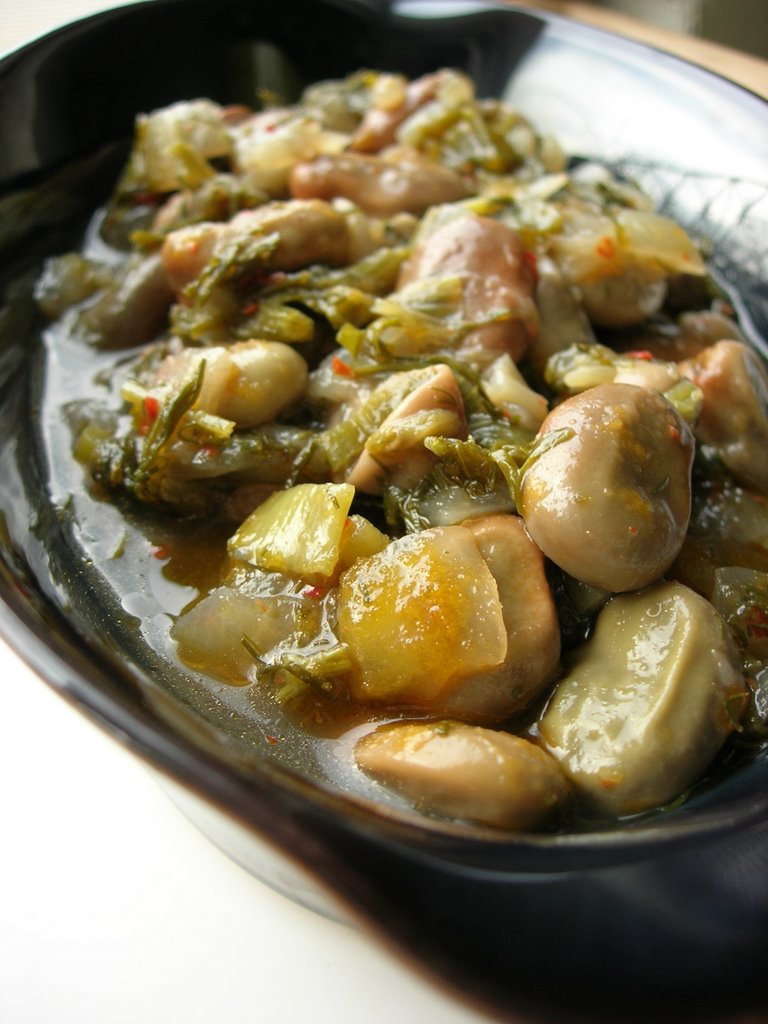
Fava Beans à la Turque (Zeytinyağlı İç Bakla)


I wasted 25 years of my life without eating fava/broad beans, but I had my reasons. The first time I tried fava beans, they were not podded. The pod has a weird fuzzy feel and I sure cannot stand it. Years after that first experience, I tried podded fava beans, and it's been one of my favorite olive oil dishes ever since. I still cannot eat them in the pod.

The only place I found fresh fava/broad beans in pod here in the states was Seattle Pike Place Market, but I haven't been trying hard. I buy them frozen and podded from an international market here in Bloomington.

1 pound frozen or fresh fava beans
1 big onion or 2 medium ones, finely chopped
1 bunch of green onions, finely chopped
1 bunch dill, chopped
1/2 bunch parsley, chopped
1/2 bunch fresh mint, chopped or 2 tbsp dried mint
1 tsp white sugar
salt, a little more than 1 tsp
1/3 cup olive oil
1 cup of water
1 tsp pepper flakes (optional)

-Mix well all the ingredients except for water in a pot. Choose a broad pot; you don't want your fava beans to get too intimate and as a result fight, break, or be smooshed.
-Add water; water should barely cover the beans. Bring it to a boil on medium and then turn it down to low and simmer for 35-40 minutes.
-Let it cool down before serving, because like all Turkish olive oil dishes fava beans are served and best when cold.

This dish is usually served with a garlicy yogurt sauce, but it's still delicious without it. By now I'm well aware that the idea of (plain) yogurt with garlic doesn't sound good to most of the Americans; however, you should give it a try, at least with fava beans.

Garlicy Yogurt
For every cup of yogurt use 1/2 clove minced garlic. If you can handle garlic, raise the amount. Do not go beyond 1 clove per 1 cup of yogurt; others may not handle the garlic on you. Mix yogurt and garlic well, salt to your taste, and serve this sauce on the side of fava beans or on top.

This is my second dill recipe for Kalyn's Weekend Herb Blogging which is hosted by Meeta of What's for Lunch Honey? this week. Although dill is not the only herb in it, the recipe cannot survive without dill. A fava bean dish without dill is simply unheard-of.

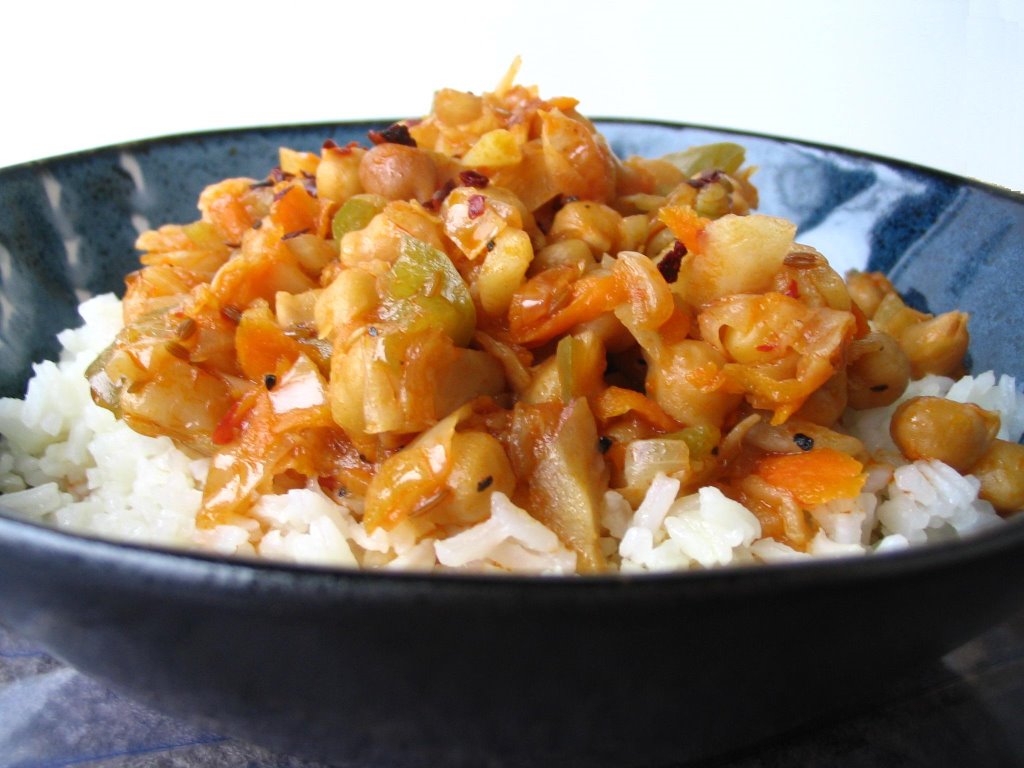
Garbanzo Beans with Vegetables (Sebzeli Nohut)


1 cup dry garbanzo beans or 1 can of organic garbanzo beans
1 big onion, chopped
1 bell pepper, chopped
1 cup fineley chopped cabbage
1 carrot, garted
1 potato, grated
1 tbsp tomato paste
1 tbsp pepper paste (optional)
1 tsp cumin seeds
1 tsp pepper flakes
1/3 cup olive oil
1 cup vegetable stock
salt and pepper

-If you want to use dry beans, either soak them over night and then boil them until soft or use a pressure cooker. I pressure cooked 1 cup of garbanzo beans with 6-7 cups of water for 40 minutes. If you're using canned ones, just open the can.
-Sautee onions and peppers with olive oil in a pot until soft. Stir in cabbage, carrot, potato, and cumin seeds. Cook for 4-5 minutes.
-Add tomato / pepper paste and stir for another minute.
-Add garbanzo beans, salt, blackpepper, pepper flakes, and stock. Add water just to cover the beans. Cover and simmer for 20-30 minutes.
-Serve with any kind of rice.

I usually cook garbanzo beans Turkish style, but this time I tried something different. I had a small amount of cabbage in the fridge from a pickling experiment that I couldn't throw away, and I was trying to find a way to use it. Since I had cooked garbanzo beans with grated celery root once, I thought they might be good with cabbage as well. I was right; it turned out to be delicious. However, you don't have to cook with cabbage. You can make variations. Vegetables to be experimented on might be zucchini, squash, celery root, celery, turnips, etc.

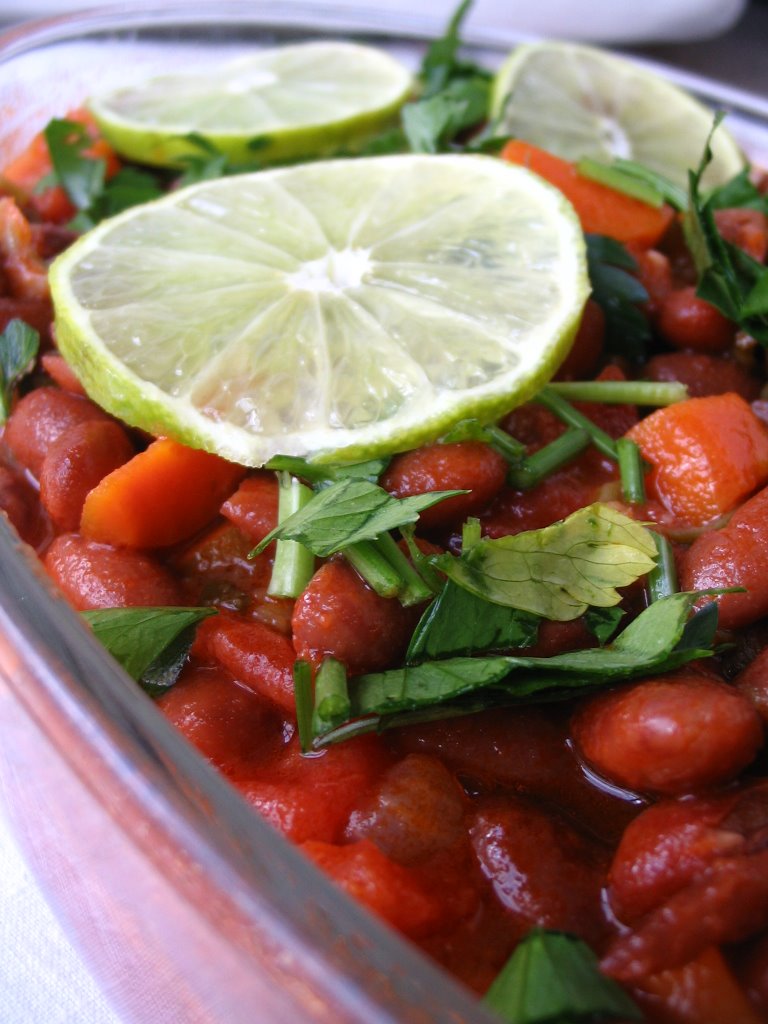
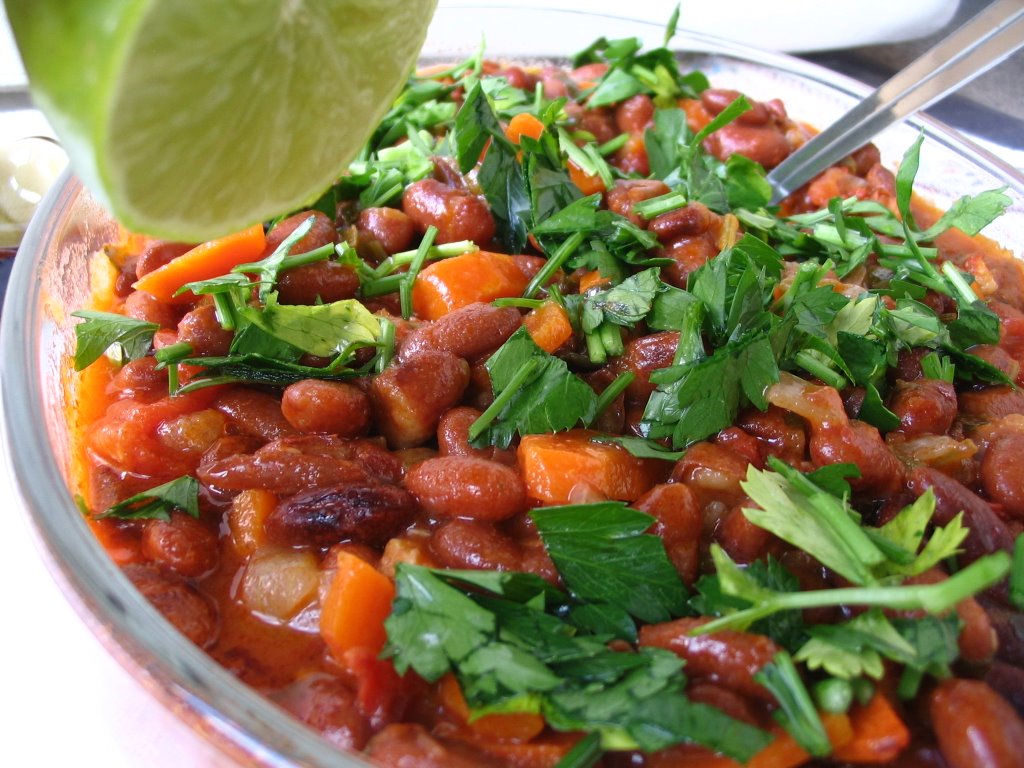
Barbunya Beans (Barbunya Pilaki)


Barbunya is a very common and popular olive oil dish (which is cooked always/only with olive oil and served cold) in Turkey. Delicious fresh barbunya beans appear in farmer's markets in midsummer. What people usually do is to buy large amounts of barbunyas, pod them, and then keep them in the freezer for the winter. Fresh barbunyas are always preferred to dried ones. However, since it's impossible to find fresh barbunyas here in the States, I learned to love dried barbunyas. After years of uncertainty and confusion I am finally positive that barbunyas are roman / red beans.


If you cannot find barbunya (roman) beans, you can try the same recipe with pinto beans, which look exactly like barbunyas. Pintos taste different than barbunyas, but still may surprise you with this recipe.


2 cups of dried barbunya beans
2 big fresh tomatoes diced or 1 can petite diced tomato
2 medium onions, diced
3 cloves of garlic, sliced
2 green (preferably banana) peppers, seeded and chopped
2 carrots, cut in rounds or half rounds
1/2 cup olive oil
1 tsp sugar
2 cups hot water
1/2 bunch parsley, leaves coarsely chopped.
salt


-Soak barbunyas in water over night and before cooking boil until soft, approximately for an hour. If you have a pressure cooker you don't need to soak them overnight; pressure-cook dried barbunyas for 35 minutes. Drain and rinse
-Heat oil in a big pot. Add onions, garlic, and green peppers. Stir for 4-5 minutes
-Add the carrots and cook until carrots get kind of soft.

-Add the tomatoes and cook until they turn darker red (basically until they're cooked).
-Add barbunyas and stir for 5 mins. Add salt, sugar, and water. Turn down the heat. Cover and cook for 30 minutes
-Garnish with parsley and lemon slices


You can try it warm, but Barbunya like all Turkish olive oil dishes is served and best when it's cold.
Squeeze lemon juice on barbunyas before you eat.


PS: Most people use potato (one, peeled and diced added with carrots) when they cook barbunyas, but I prefer not to.

This is also another recipe that owes its reputation to parsley for this week's Weekend Herb Blogging which is hosted by Pat of Up a Creek Without a Patl

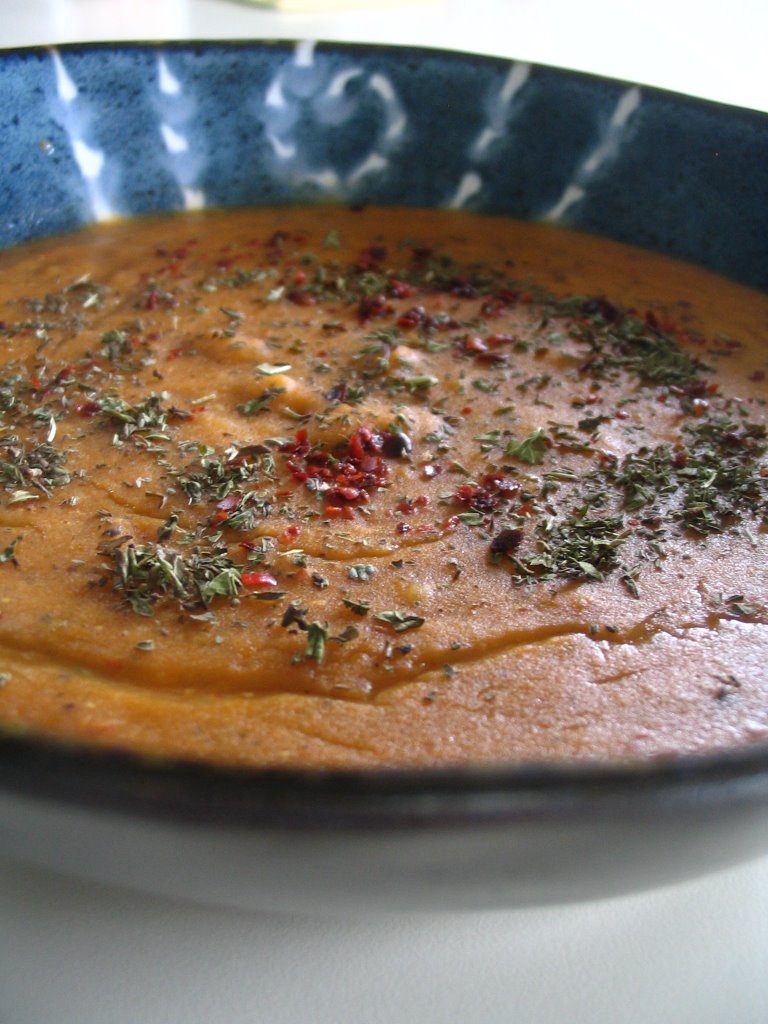
Red Lentil Soup (Kırmızı Mercimek Çorbası)


for the soup:
1 cup red lentils
1 medium size onion
1 carrot
1 tbsp tomato or pepper paste (or you can do half&half)
1 tsp salt
1 tsp crushed pepper or red peppercorns
6 cups of water

for the sauce:
2 tbsp olive oil or butter
1 tbsp sweet or spicy paprika

-With a pressure cooker: Put everything (onion and carrot coarsley chopped) for the soup in the pressure cooker and cook on medium for 15 minutes and then smoothen the soup with a blender
-With a regular pot: Put everything for the soup in a big pot and cook on medium heat until the lentils are soft and mushy, for about 20-25 minutes. Smoothen it with a blender.
-If you don't have a hand blender or if you want to have a chunky soup, chop the onion finely and grate the carrot before you cook them.
-Previous two are, in a way, healthier ways of making this soup. If you want to try the tastier way, sautee the onion with 1 tbsp oil for 3-4 minutes. Add the paste and cook for a couple of minutes, and add the rest of the soup ingredients. From this point on, everything will be the same. Sauteed onion and paste will make quite a difference, though.
-Before serving the soup, heat the oil in a skillet and when it's hot add the paprika. Stir for 5-10 seconds. Pour a couple of scoops of the oil+paprika sauce on the soup bowl.
-Squeeze a little bit of lemon juice on top.

optional: sprinkle parsley on top

Adzuki Bean Stew (Adzuki/Japon Fasülyesi)


3 cups adzuki beans, cooked or canned (I used dried adzukis and pressure-cooked them for 10 minutes)
1 cup TVP chunks (optional)
1 onion, chopped
3 cloves of garlic, sliced
1 red pepper (anaheim or sweet Italian), chopped
2 carrots, cut in quarter rounds
1 red potato, diced
2 tbsp pepper paste (or tomato paste)
2 tbsp fresh dill,chopped
3 tbsp olive oil or butter
1 tsp paprika
1 tsp black pepper
salt

-Soak TVP chunks in hot water in a bowl for app. 20 minutes. Drain and squeeze the excess water
-Heat oil and sautee onions, garlic, and TVP for 3-4 minutes
-Add peppers and carrots. Cook for another 3 minutes
-Add paprika, stir for half a minute and add the paste. Cook for 2 minutes
-Add the potato, adzukis, black pepper, salt, 1 tbsp fresh dill (the rest is to garnish), and enough water to cover
-Cook on low for 30 minutes
-Garnish with dill before serving

Adzuki beans are really delicious and taste kind of like brown lentils.

White Beans with Pastrami (Pastırmalı Kuru Fasulye)


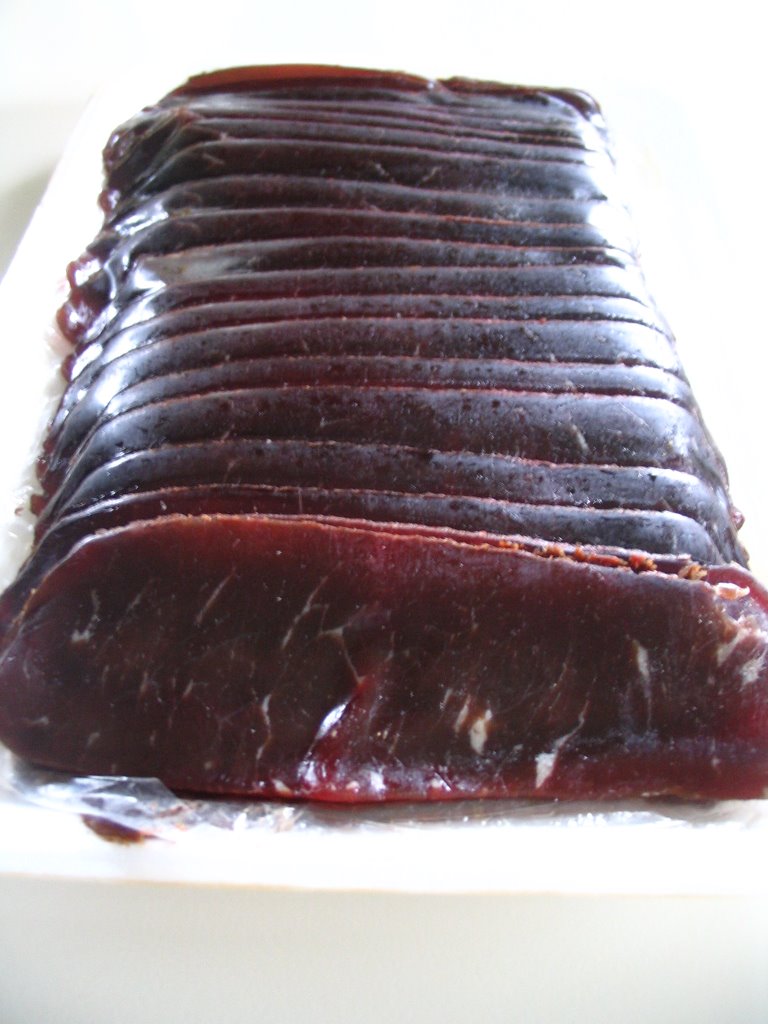
What we call pastrami in Turkey is completely different from the lunch meat pastrami that you can find at the stores here. At Sahara Mart, I found this pastrami which was, to my surprise, a product of USA--not imported from Middle East. It looked like Turkish pastrami; however, it was way less spicy and as a result way less flavorsome and stinky.


2 cups of cannellini: white kidney: fazolia beans or 2 cans of those beans
10 pastrami strips (I used 10, but you can use less or more)
1 medium onion, chopped
2 garlic cloves
2-3 banana peppers, chopped
1 tbsp pepper or tomato paste, or half & half
2 tomatoes, diced or 1 can of petite diced tomato
2 tbsp butter or 1/3 cup olive oil
1/2 tsp crushed pepper
1/2 tsp dried mint flakes
1/2 tsp oregano leaves
1 tsp salt
2 cups of water

-Heat the oil in a big pot and stir in the onions and garlic cloves. Cook until onions are soft
-Stir in peppers and cook for 2 more minutes. Add the paste, cook for another 2 minutes
-Add tomatoes, oregano, crushed pepper, mint flakes, and salt. Stir for 4-5 minutes
-Stir in the beans (I used dry beans. I didn't have time to soak them over night, so I pressure cooked them for 30 minutes. Either soak them over night and then cook them in water until they're soft, or use canned beans) and water. Bring to a boil.
-Tear the pastrami strips in to bite-size pieces. Place them on top of beans with dried hot peppers.
-Seal the pot with aluminum foil and cover. Cook on low for an hour.